El sonidothe Bellas Artes tapes
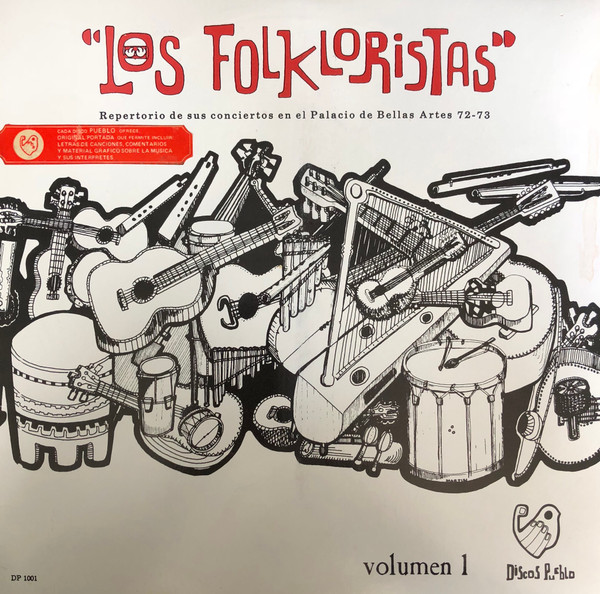
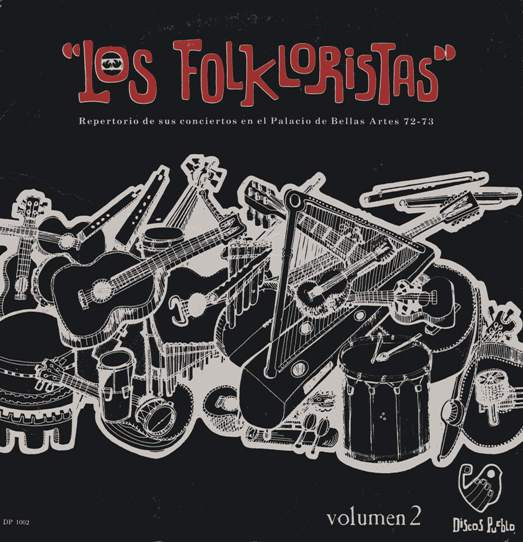
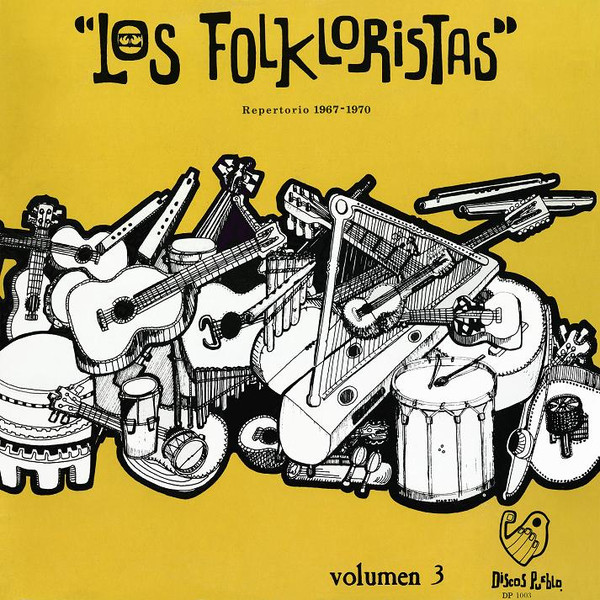
In 1972, Los Folkloristas became the first folk ensemble ever to play the Palacio de Bellas Artes. Rapoport was the engineer who caught it on tape. His recordings of those 1972 and 1973 concerts, and of the group's founding repertoire from 1966 to 1970, came out on Discos Pueblo, Mexico's first independent folk label, and preserved the beginnings of the Latin American folk revival in Mexico.
He came to that work as a trained engineer, a graduate of the Instituto Politécnico Nacional, and as a listener with convictions. For Rapoport, live acoustic sound belonged on analog tape, and a record was a physical craft.
Nervioa label of his own
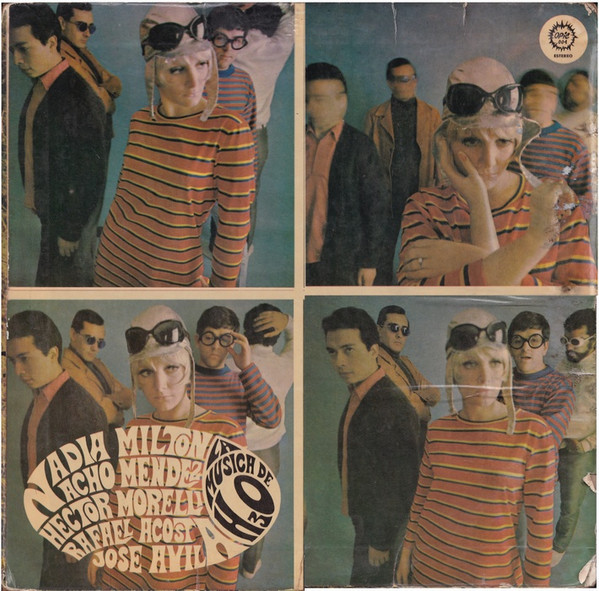
At the end of the 1960s Rapoport started Discos Nervio, one of the pioneering independent labels of Mexico, born almost alongside Discos Pueblo and ahead of Fotón and Pentagrama. Its first release was the live album of H3O, which he co-engineered with David Baksht at the Casa de la Paz and the Teatro Antonio Caso, with musicians of the National Symphony and the National Conservatory, using mobile equipment. For the first time, the music of avant-garde theater and film reached the Mexican record market.
Nervio's most retold session came in 1972, when Rapoport produced and recorded Pilcuicatl, “the children who sing,” a children's Latin American folk group, in an old theater in the Colonia del Valle. Among the ten-year-olds playing ukulele and maracas was Claudia Sheinbaum, today the President of Mexico; the actor Daniel Giménez Cacho was in the group as well. The footage still circulates half a century later, and the label's custodians honor, in its credits, “el gran ingeniero Víctor Rapoport.”
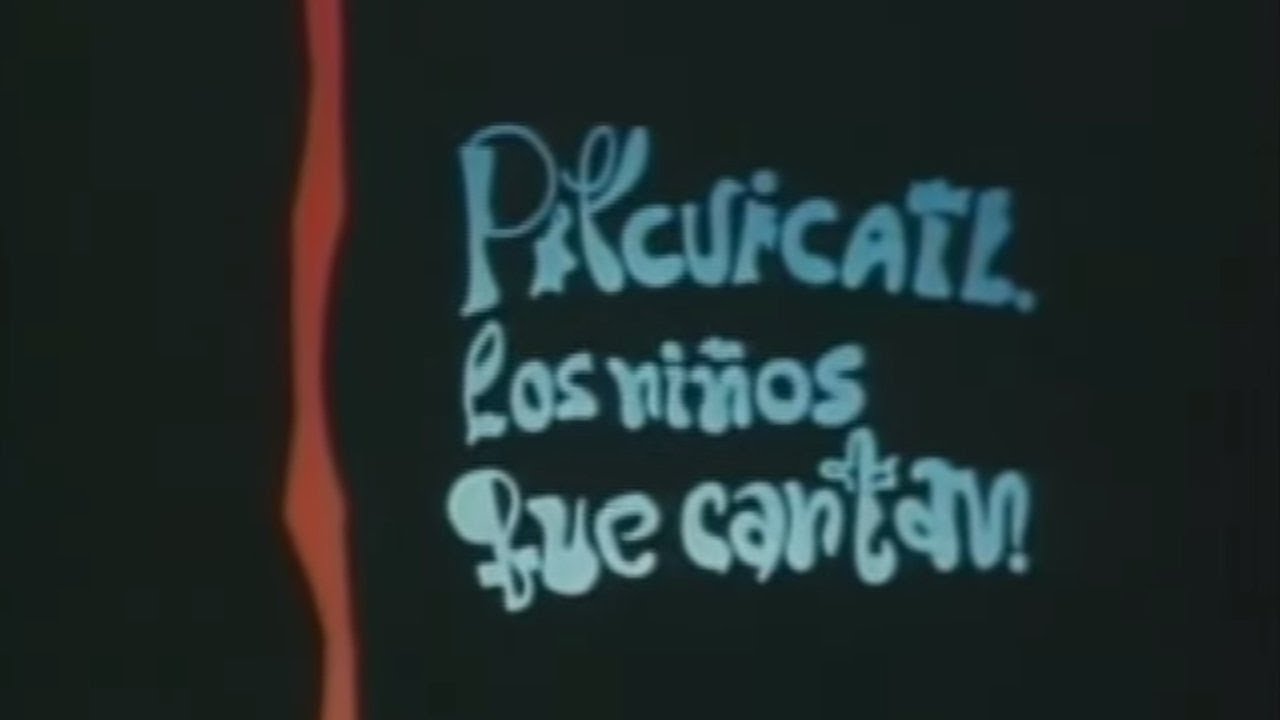 Watch the 1972 footage
Cine escondidothe hidden cinema
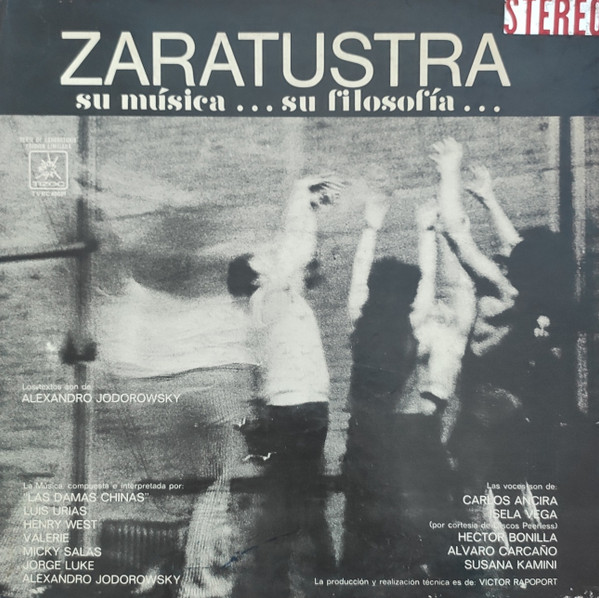
Rapoport met Alejandro Jodorowsky at the Teatro Urueta in 1966, and in 1970 he produced and recorded the cast LP of Zaratustra, Jodorowsky's staging of Nietzsche, taped at the Teatro de la Danza with Isela Vega, Héctor Bonilla and Jorge Luke among the voices, and the improvised music of Las Damas Chinas. The record is a collector's piece today, and was reissued digitally by Fonarte Latino four decades on.
Around it he built a catalog he liked to call the cine escondido, the hidden cinema: music that Mexican film and theater had never before committed to vinyl.
“Apriete el botón, ponga la aguja, limpie su oreja maestra... y deje que Zaratustra intente llegar a su rostro original.”
Alejandro Jodorowsky, spoken prologue to the Zaratustra LP, 1970
- Ángeles y Querubines, Rafael Corkidi
- Pafnucio Santo, Rafael Corkidi
- Auandaranapú, Rafael Corkidi
- Fando y Lis, Alejandro Jodorowsky
- Alfa Gungadin, Alejandro Jodorowsky
- Motel, music by Eduardo Díaz Muñoz, with the early Cuarteto Latinoamericano
El paisaje sonorothe ear in the field
Beyond the studio, Rapoport left more than 150 recordings. In 1974 he carried his machines to the fiesta of San Francisco de Asís in Cuetzalan, Puebla, and recorded everything: the voices and the talk, the dancers, the church bells, the dogs, the fireworks. Los sonidos de Cuetzalan was a soundscape years before the idea had a name in Mexico. In 1979 he did the sound and editing of El día en que vienen los muertos, Luis Mandoki's documentary on the Mazatec day of the dead, for the Instituto Nacional Indigenista.
Registro
Selected credits
Engineering credits as documented on original sleeves and public databases. Several Discos Pueblo releases of the era carry no credit online; the fine print of surviving copies may yet add to this list.
Discos Pueblo
Nervio
- Zaratustra: su música... su filosofía... Original cast, 1970. Producer and recording. Digital reissue by Fonarte Latino. Discogs Qobuz
- La Música de H3O / H3O... En Vivo Live, Mexico City. Co-engineered with David Baksht. Discogs
- Pilcuicatl, los niños que cantan Recorded 1972, released 1977. Production and recording. Film
Field & film
- Los sonidos de Cuetzalan Field recording, Cuetzalan, Puebla, 1974.
- El día en que vienen los muertos Documentary, dir. Luis Mandoki. INI, 1979. Sound and editing.
- Music of the cine escondido Corkidi, Jodorowsky, and the early Cuarteto Latinoamericano on record.